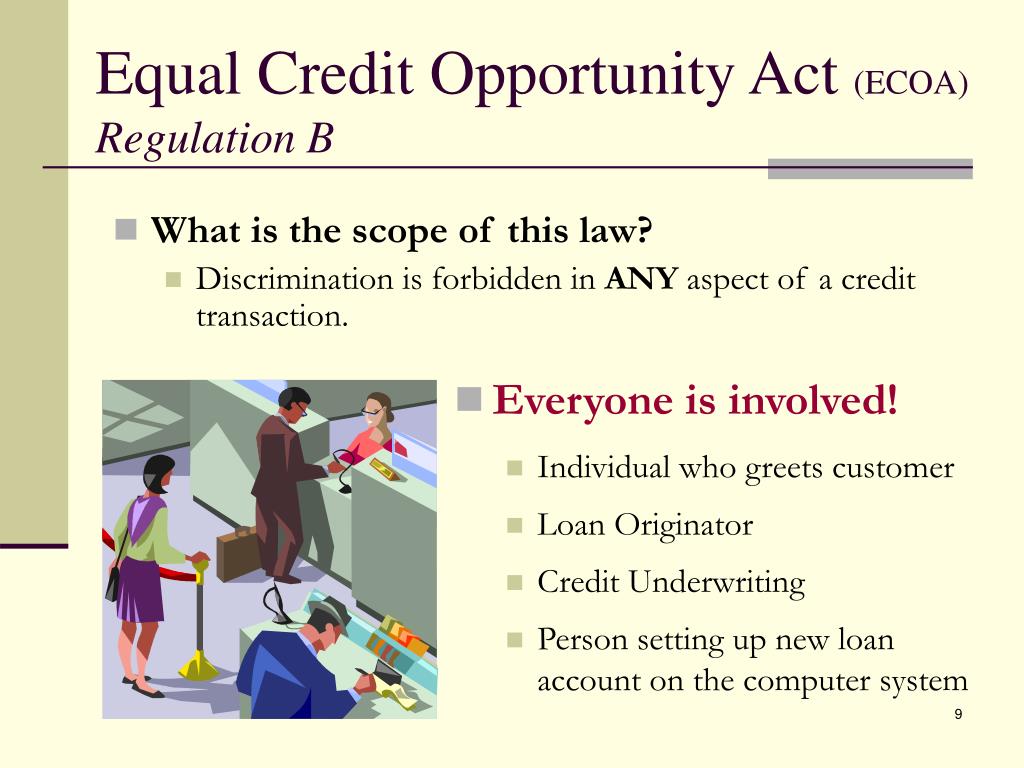
When unexpected expenses arise—whether it’s a sudden car repair, an emergency medical bill, or the cost of a dream wedding—the instinct is often to reach for a personal loan. Yet navigating the maze of lenders, interest rates, and eligibility criteria can feel like stepping into a labyrinth. In 2026, the market has shifted dramatically, offering more options but also introducing new regulatory hurdles under the Equal Credit Opportunity Act (ECOA). Below we break down how borrowers can find the best personal loan for their unique situation while staying compliant with evolving fair‑lending rules.
Understanding the Current Landscape of Personal Loans
The personal‑loan market has exploded since 2020, with online lenders now rivaling traditional banks in terms of speed and accessibility. According to a recent CNBC Select article, lenders such as Avant and OneMain Financial have carved out niches for borrowers with less-than-perfect credit, offering approval decisions within minutes.
However, the sheer volume of offers can be overwhelming. Many lenders now present themselves as “no‑credit-check” or “instant‑approval” platforms—claims that are increasingly scrutinized under updated ECOA enforcement guidelines. The CFPB’s proposed Reg B overhaul, detailed in a Consumer Financial Services Law Monitor piece, seeks to tighten the use of protected‑class criteria in Special Purpose Credit Programs, potentially impacting how lenders assess applicants with diverse backgrounds.
For borrowers, this means two things: (1) more transparency from lenders about eligibility requirements; and (2) a growing emphasis on alternative data—such as utility payment history or rental records—to supplement traditional credit scores. The net effect is that even those who once struggled to qualify can now access competitive loan products, provided they present a solid repayment plan.
Key Factors Borrowers Should Evaluate
- Credit Score Requirements: Lenders like Avant accept scores as low as 550, while others require a minimum of 600. Knowing your score in advance can narrow the search to suitable options.
- Loan Amount and Term: Personal loans typically range from $1,000 to $35,000 with terms spanning 12 to 60 months. Shorter terms usually mean lower interest rates but higher monthly payments.
- Interest Rate Structure: Fixed-rate loans provide predictable payments, whereas variable-rate products may start lower but can rise over time.
- Fees and Penalties: Origination fees, pre‑payment penalties, and late payment charges vary widely; always read the fine print.
The Role of Alternative Data in Loan Approval
Borrowers with limited credit history often rely on alternative data to demonstrate reliability. Lenders now scan for consistent mortgage or rent payments, utility bills, and even subscription services. This shift aligns with CFPB’s goal of reducing disparate impact liability—ensuring that protected classes are not unfairly disadvantaged by traditional credit scoring models.
Yet, alternative data also raises privacy concerns. The same Wolters Kluwer analysis highlights that lenders must disclose how they use such data, allowing borrowers to opt‑in or out where applicable.
Choosing the Right Lender for Your Needs
With a clearer understanding of what factors drive loan approval, the next step is selecting a lender that aligns with your financial goals. While many borrowers are tempted by “instant” offers, these can come with hidden costs or unfavorable terms.
Online Banks vs Traditional Institutions
- Online Banks: Generally offer lower rates due to reduced overhead. Companies like SoFi and Marcus by Goldman Sachs provide seamless digital applications.
- Traditional Banks: Often have stricter credit requirements but may offer better customer support or bundled services (e.g., a savings account with a loan).
It is advisable to compare multiple lenders using an independent comparison tool. For instance, NerdWallet’s “Best Personal Loans of April 2026” list offers side‑by‑side comparisons of rates, fees, and eligibility criteria.
How Fast Can You Get Funds?
The speed at which a lender disburses funds is crucial for emergencies. Jetzloan offers a streamlined application process that can deliver funds within 24 hours for qualifying applicants—an attractive option when time is of the essence.
However, speed should not come at the expense of transparency. Always verify the APR (annual percentage rate) and any potential hidden fees before signing. A loan with a quick approval but a high APR may end up costing more over its lifetime.
Interest Rates in 2026: What to Expect
According to recent market data, personal‑loan interest rates have hovered around 8%–12% for borrowers with good credit. Those with fair or poor credit typically face rates above 15%. The Federal Reserve’s policy rate changes directly influence these figures; a 0.25% hike can translate into a 0.5% increase in APRs.
For example, a borrower with a score of 680 might secure a 10% APR for a $10,000 loan over 36 months—resulting in monthly payments of approximately $311. In contrast, the same amount at a 15% APR would cost about $383 per month.
Hidden Fees and How to Spot Them
- Origination Fee: Often 1–5% of the loan amount. A $10,000 loan with a 2% fee adds $200 upfront.
- Pre‑payment Penalty: Some lenders charge a fee if you pay off the loan early—usually expressed as a percentage of remaining balance.
- Late Payment Charge: A flat fee or a percentage of the missed payment; can accumulate quickly if payments are delayed.
Always request an Itemized Loan Disclosure before accepting an offer. This document should list all fees, repayment schedules, and terms in plain language.
Compliance Matters: What Lenders Must Do Under ECOA
The Equal Credit Opportunity Act prohibits discrimination on the basis of race, color, religion, national origin, sex, marital status, age, or receipt of public assistance. The CFPB’s proposed Reg B overhaul sharpens these prohibitions by limiting “discouragement” language and restricting protected‑class criteria in credit programs.
What This Means for Borrowers
Lenders are now required to provide clear explanations when a loan is denied, citing specific reasons rather than vague statements. For instance, if an applicant with a low credit score is rejected, the lender must note “credit history insufficient” instead of a blanket refusal.
Moreover, the new rules encourage lenders to adopt risk‑based pricing that reflects individual borrowing behavior rather than demographic factors—a move aimed at reducing disparate impact liability.
How Borrowers Can Protect Themselves
- Request a Discrimination Complaint Form: This form outlines how the lender evaluated your application and why it was denied if applicable.
- Know Your Rights Under ECOA: Familiarize yourself with Section 102(a) of the Act, which mandates nondiscriminatory practices.
- Seek Alternative Lenders: If you suspect discrimination, consider credit unions or peer‑to‑peer platforms that may offer more flexible underwriting.
Preparing Your Application: Tips for a Smooth Process
A well-prepared application can shave days off approval time and increase your chances of securing favorable terms. Below are practical steps to ensure you’re ready when the lender asks:
- Gather Financial Documents: Pay stubs, bank statements, tax returns (if self‑employed), and proof of assets.
- Calculate Your Debt‑to‑Income Ratio: Most lenders prefer a ratio below 40%. A simple calculation can highlight any gaps before you apply.
- Identify Your Loan Purpose: Lenders may offer different products for debt consolidation versus home improvement. Having a clear goal helps narrow choices.
- Check Your Credit Report: Review for errors and dispute inaccuracies through the three major bureaus—Equifax, Experian, and TransUnion.
Using Online Tools to Simulate Loan Scenarios
Many lenders provide calculators that let you estimate monthly payments based on loan amount, term, and APR. NerdWallet’s calculator is a popular choice; it also allows users to compare multiple offers side‑by‑side.
By inputting your credit score and desired loan size, you can instantly see how changes in the interest rate affect total repayment costs—a handy way to determine whether extending the term is worth the lower monthly payment.
Beware of “Too Good to Be True” Offers
Promising 0% APR or instant funding with no credit check should raise red flags. Always verify the lender’s legitimacy by checking for a valid business license and reading consumer reviews on independent sites like Trustpilot or the Better Business Bureau.
What the Future Holds: Emerging Trends in Personal Lending
The personal‑loan market is evolving faster than ever, driven by technology, regulatory changes, and shifting borrower expectations. Here are three trends that will shape the industry over the next few years:
- Artificial Intelligence for Risk Assessment: Lenders increasingly use machine learning models to predict default risk based on behavioral data—such as spending patterns or social media activity—while ensuring compliance with ECOA.
- Embedded Finance: Fintech platforms are integrating loan offers directly into e‑commerce sites, allowing shoppers to finance purchases at checkout without leaving the retailer’s site.
- Regulatory Sandboxes: Some states are experimenting with sandbox environments where lenders can test innovative products under relaxed rules before full market rollout—potentially speeding up access for borrowers.
As these developments unfold, borrowers will benefit from greater choice and more personalized loan terms. Staying informed and prepared is the key to navigating this dynamic landscape successfully.
Leveraging Regulatory Updates to Your Advantage
The CFPB’s Reg B overhaul will be finalized in early 2027. Borrowers should monitor changes through reputable sources such as the Federal Register or Consumer Financial Services Law Monitor. Understanding how new rules affect eligibility can help you time your application for maximum benefit.
In addition, financial institutions are expected to publish clearer “why‑I‑am‑denied” statements, allowing borrowers to address specific gaps—such as insufficient income or high debt levels—before reapplying.
Personal loans remain a vital tool for managing unexpected expenses and achieving larger financial goals. By understanding the current market dynamics, leveraging alternative data, and staying compliant with evolving fair‑lending regulations, borrowers can secure favorable terms that fit their unique circumstances. With resources like Jetzloan, NerdWallet’s comparison tools, and the latest CFPB updates at your fingertips, you’re better equipped than ever to make an informed decision.
Whether you need a quick infusion of cash or a long‑term financing solution, arm yourself with knowledge, prepare your documents meticulously, and keep an eye on regulatory shifts. The path to a successful loan application is clear—just follow the steps outlined above and stay ahead of the curve.